Recycling and Sustainability for Landscaping Marylebone
 Landscaping Marylebone is shaped by a simple idea: beautiful outdoor spaces should also be responsible ones. In a dense central area where access, storage, and transport all matter, sustainable landscaping in Marylebone depends on planning every stage of a project with reuse and recycling in mind. Our target is to recycle or divert at least 85% of green waste and site materials from landfill wherever practical, while constantly improving material separation and recovery. That means soil, timber, metal, plant waste, and inert rubble are handled with care, and wherever possible, sorted for a second life rather than treated as rubbish.
One of the key parts of Landscaping Marylebone is working within local waste systems efficiently. In Westminster and neighbouring boroughs, waste separation is increasingly important, with clear streams for green waste, wood, metal, cardboard, and general residual material. We align our process with those expectations by separating arisings on site and sending them to appropriate facilities. This approach supports better recovery rates and reduces unnecessary contamination, which is especially important in areas where space is limited and collections must be managed carefully.
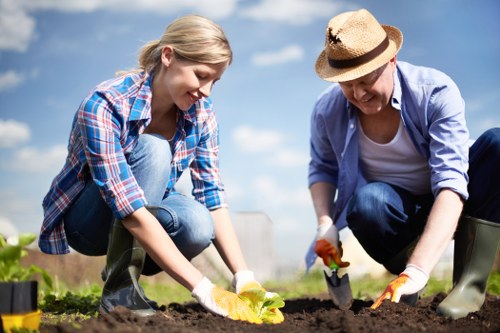 Our recycling efforts begin as soon as materials are lifted, cut, or cleared. Prunings, grass cuttings, leaves, and other organic matter are collected for composting or mulching, while broken paving, sub-base material, and concrete are diverted to local transfer stations for sorting and aggregate recovery. Timber from dismantled structures may be reused, repurposed, or processed through approved recycling routes. Even small items such as metal fixings, wire, and plant containers are separated where feasible. This layered approach helps reduce waste at every stage, not just at the end of a job.
Marylebone’s urban setting also encourages practical collaboration. By working with licensed local transfer stations, we reduce unnecessary mileage and keep recyclable loads moving quickly through the right channels. These facilities help consolidate mixed but recoverable materials before they are processed into new products. For example, inert waste can be screened and reused, while metal and wood are directed into specialist recycling streams. This is especially valuable in central London, where minimising time on the road matters as much as minimising waste itself.
Our commitment to recycling in landscaping Marylebone also extends to partnerships with charities and community organisations. When a project includes usable garden furniture, planters, tools, decorative stone, or healthy plants that can be safely relocated, we look for ways to pass them on instead of disposing of them. In some cases, surplus materials support local charities, social enterprises, or community growing projects. This can include offcuts of timber for creative reuse, or viable plants and shrubs that can be replanted in community spaces. Such partnerships create value beyond the site and keep useful materials in circulation for longer.
 Another part of our sustainability strategy is transport. We operate low-carbon vans and efficient route planning to reduce emissions associated with material collection and delivery. In a busy district like Marylebone, where traffic, idling, and repeated short journeys can quickly increase a project’s footprint, using cleaner vehicles makes a real difference. These vans are paired with smarter scheduling, fewer unnecessary trips, and carefully matched loads so that each journey is as productive as possible. The result is a lower-carbon service that supports the environmental aims of the area without compromising reliability.
The landscape industry also has an opportunity to support wider borough priorities around waste separation and circular use of materials. Across central London, there is growing emphasis on sorting waste at source, keeping recyclable streams clean, and treating green material as a resource. In practical terms, that means separating soil from hardcore, keeping wood free from contamination, and ensuring plant waste is not mixed with general rubbish. Landscaping Marylebone applies these principles on every project, whether it is a courtyard refresh, a street-facing planting scheme, or a larger communal garden improvement.
We also look carefully at purchasing, because the most sustainable waste is the waste that never appears. Where possible, materials are selected for durability, repairability, and future reuse. Compost, topsoil, aggregates, and planting materials are ordered in measured quantities to avoid over-supply. Packaging is reduced where possible, and reusable containers are preferred for internal handling. This not only supports our recycling percentage target but also helps reduce disposal costs and transport emissions. Good sustainability is often about making small, practical decisions consistently.
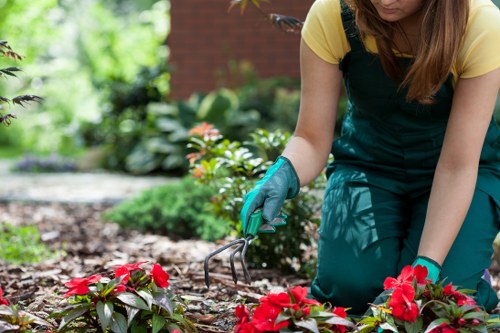 In addition, our recycling approach includes careful handling of invasive or problematic material. Some garden waste cannot simply be composted or mixed with standard organic waste, so we ensure it goes through the correct licensed route. That discipline protects local ecosystems and supports responsible environmental management. We also keep records of disposal and recycling destinations so performance can be monitored over time. By tracking these figures, we can see where improvements are working and where further efficiencies are needed.
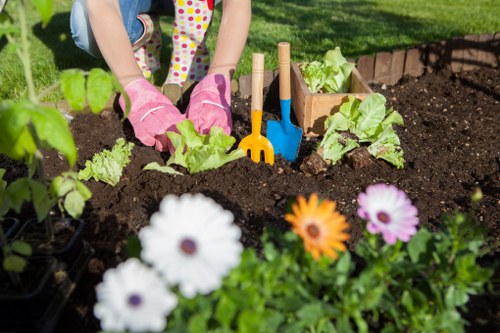 The broader goal of sustainable landscaping in Marylebone is to create spaces that look refined while leaving a lighter footprint. From green waste recovery and material reuse to charity partnerships and low-carbon transport, every part of the process is designed to support a more circular model. In a district known for its mix of private gardens, shared courtyards, and public-facing planting, this matters both visually and environmentally. The landscape should contribute to the character of Marylebone without placing avoidable pressure on the systems that support it.
By maintaining an 85% recycling and diversion target, using nearby transfer stations, collaborating with charities, and keeping vehicle emissions low, Landscaping Marylebone offers a practical sustainability model for modern urban outdoor spaces. It is a method grounded in careful sorting, responsible movement of materials, and respect for local borough waste systems. The result is a cleaner, smarter, and more sustainable way to shape landscapes in the heart of London.