Soft landscaping in Marylebone
Bringing natural character to Marylebone homes and businesses
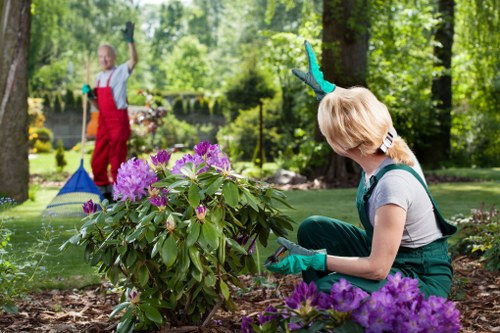
Soft landscaping in Marylebone is about creating outdoor spaces that feel welcoming, practical, and suited to the character of the area. Whether you have a compact courtyard near Baker Street, a private garden behind a period terrace, a shared scheme for a managed building, or a small commercial frontage close to the West End, the right planting and finishing touches can make an outdoor space feel complete.
Marylebone has a distinctive mix of elegant townhouses, mansion blocks, mews properties, garden squares, offices, clinics, cafés, and boutique retail spaces. That variety matters when planning soft landscaping because each site brings different needs. A shaded north-facing patio will need a different planting approach from a sunny roof terrace, and a busy commercial entrance needs a different balance of durability and presentation from a quiet residential garden.
Local customers often want more than just plants in the ground. They want a space that looks thoughtful throughout the year, is manageable to maintain, and suits the way the property is used. That might mean layered planting, fresh turf, structured borders, seasonal colour, mulching, soil improvement, or simple finishing work that helps a hard landscaping project feel finished. If you are looking for soft landscaping in Marylebone, the goal is usually the same: a space that looks good, works well, and feels right for the property.
What soft landscaping includes

Soft landscaping covers the living and organic elements of an outdoor space. It is the part of landscaping that brings texture, colour, movement, and seasonal interest. In a Marylebone setting, this might be as simple as refreshing beds and planters, or as involved as reshaping a garden layout with new planting schemes, turf, and soil preparation.
Typical soft landscaping services may include:
- Planting shrubs, perennials, trees, and seasonal flowers
- Laying turf or creating new lawn areas
- Installing borders, beds, and planters
- Mulching and bark dressing
- Soil improvement and compost incorporation
- Hedge planting and screening
- Wildlife-friendly planting and pollinator support
- Refreshing tired planting schemes
- Replacing failed plants after winter or drought stress
- Setting up low-maintenance planting for busy properties
For many Marylebone properties, the best results come from combining practical planting with a clear sense of style. A small courtyard may need careful use of containers, evergreen structure, and scented planting. A larger communal garden may need resilient shrubs, defined paths, and planting that offers interest in every season. A business frontage might need something clean, neat, and easy to maintain while still looking polished.
Why Marylebone properties need a tailored approach

Marylebone is not the sort of area where a one-size-fits-all garden plan works well. The local building stock includes period homes with mature boundaries, basement gardens with limited light, roof terraces exposed to wind, and courtyards where access is tight. In some streets, vehicles cannot park directly outside, so every delivery, tool, and bag of soil has to be planned carefully. That makes local experience especially valuable.
Soft landscaping in this part of central London often needs to respect both the property and the setting. A traditional townhouse garden may benefit from planting that complements the architecture, while a modern apartment block may need practical, low-fuss schemes that still feel welcoming. For commercial customers, the priority may be a tidy and consistent appearance that supports the wider presentation of the building.
There are also everyday challenges that affect how the work is carried out. Access can be narrow, lifts may be required for upper-level terraces, and some properties have restrictions on working hours or shared-use areas. A local team that understands Marylebone can plan around these realities, helping the project move smoothly with less disruption to residents, staff, and neighbours.
Services for residential customers

Homeowners and tenants in Marylebone often want outdoor spaces that feel calm, attractive, and easy to live with. Even a small garden can become a useful extension of the home when it is planted well. Soft landscaping can transform a tired outdoor area into a more private, greener, and better-balanced space.
Residential work commonly includes:
- Replanting flower beds and borders
- Adding evergreens for year-round structure
- Improving soil for healthier plant growth
- Creating privacy with hedging or screening plants
- Designing low-maintenance schemes for busy households
- Refreshing container displays for patios and entrances
- Adding fragrance, colour, and texture in compact gardens
For period homes and mews properties, there is often a desire to keep the garden elegant rather than overly busy. Soft landscaping can be used to keep things balanced and timeless. In more contemporary apartments or maisonettes, the challenge may be to make a small terrace feel softer and more inviting. Either way, the right planting can help the space feel like a genuine part of the property, not an afterthought.
Soft landscaping for commercial and managed properties
Practical presentation for businesses, blocks, and shared spaces

Commercial and managed properties in Marylebone need outdoor areas that reflect professionalism. This can include office entrances, healthcare premises, boutique retail fronts, hotel courtyards, residential block gardens, and shared amenity spaces. In these settings, presentation matters, but so does reliability. Planting has to look neat, stay within the intended design, and not create unnecessary maintenance problems.
Common priorities for commercial clients include:
- Simple, stylish planting that stays attractive through the seasons
- Durable plants that cope well with urban conditions
- Regular refreshes for planters and frontage displays
- Low-litter planting choices that suit public-facing areas
- Clear access planning so work causes minimal disruption
- Solutions that support building managers, landlords, and facilities teams
In commercial settings, soft landscaping can influence how visitors feel before they even enter the building. Fresh planting at a frontage, a maintained courtyard, or carefully chosen screening can make a property feel more cared for and more welcoming. That is especially important in Marylebone, where first impressions often matter just as much as the interior finish.
How the service works
A straightforward process from first discussion to final finish
Good landscaping is usually the result of clear planning. When you book soft landscaping in Marylebone, the process should feel organised and practical rather than complicated. Every property is different, but a well-managed project often follows a similar path.
Typical stages may include:
- Initial discussion about your space, aims, and preferred style
- Site review to assess access, light levels, drainage, and existing conditions
- Suggestions for planting, turf, soil improvement, and layout
- Planning around delivery access, shared entrances, and building constraints
- Preparation of the area, including clearing or reshaping where needed
- Installation of planting, turf, or soft finishes
- Advice on early care and maintenance
This process is useful because it helps avoid the common mistakes that can happen when planting is rushed. For example, a shady courtyard may need different soil preparation from an open terrace. A communal area may need practical plant selection that suits shared use. A local team can think through these factors before work begins, which usually leads to better results and fewer surprises.
What is included in a typical soft landscaping project?
From planting plans to finishing touches
The exact scope will depend on your property and what you want to achieve, but many projects in Marylebone combine several elements to create a complete result. A good service should be flexible enough to handle both small enhancements and more substantial planting upgrades.
Depending on the site, your project may include:
- Removal of tired or unhealthy planting
- Preparation of beds and borders
- Supply and installation of plants
- Fresh turf or lawn restoration
- Edging and border definition
- Mulching for moisture retention and a tidy finish
- Container planting for terraces and entrances
- Climber support and screen planting
- Compost, topsoil, or soil-conditioning improvements
- Advice on watering, establishment, and maintenance
Some projects are highly decorative, while others are more functional. For example, a basement garden may need planting that brings softness and lightness without becoming overcrowded. A small business courtyard may need evergreen structure and a calm colour palette. A family garden may need more variety and seasonal change. The right approach depends on how the space is used and who sees it every day.
Plant choices that work well in Marylebone
Balancing style, resilience, and maintenance
Plant selection is one of the most important parts of any soft landscaping project. In central London, plants need to cope with more than just the look of the garden. They also need to handle shade, wind, limited root space, reflected heat, and occasional pollution from city traffic. Choosing the right mix can make the difference between a space that struggles and one that settles in beautifully.
Useful plant types often include:
- Evergreen shrubs for structure and year-round interest
- Herbaceous perennials for seasonal colour and movement
- Ornamental grasses for texture in modern or minimalist schemes
- Climbers for walls, fences, and screens
- Shade-tolerant planting for enclosed gardens and courtyards
- Container-friendly plants for terraces and roof spaces
- Pollinator-friendly plants for gardens that support wildlife
It is not just about choosing beautiful plants. It is about choosing plants that can thrive where they are placed. For Marylebone customers, that often means a thoughtful mix of structure and softness, with choices suited to the specific light, aspect, and maintenance needs of the property.
Preparing your space before work begins
A simple checklist for homeowners and property managers
Small bits of preparation can help a soft landscaping job run more smoothly, especially in a busy neighbourhood where access matters. If you are planning a project, it helps to think about how materials and teams will move through the property and what needs to be protected.
Useful preparation steps include:
- Clear access routes where possible
- Move fragile items from patios, balconies, or garden edges
- Let neighbours or building management know if shared access is affected
- Identify any parking or loading restrictions in advance
- Point out existing drainage issues, low-light areas, or plant sensitivities
- Decide whether you want low-maintenance planting or a more decorative scheme
For apartment buildings and managed blocks, it is often helpful to think about timings, deliveries, and communal areas before the work starts. In many Marylebone locations, access can be the main constraint rather than the garden size itself. Planning that in advance can save time and reduce disruption.
Pricing factors to consider
What affects the cost of soft landscaping?
People often want to know what influences pricing before they request a quote. That is understandable, especially when the scope of work can vary widely from one property to another. While exact pricing depends on the site and the brief, there are several common factors that shape the overall cost.
These can include:
- The size of the area being landscaped
- The number and type of plants required
- Whether existing material needs to be removed
- Soil quality and the amount of preparation needed
- Access difficulties, such as stairs, narrow entrances, or limited parking
- Whether turf, bark, mulch, or specialist materials are included
- The complexity of the planting design
- Whether the site is residential, commercial, or communal
In Marylebone, access can have a real effect on labour and logistics. Some properties are easy to reach, while others require careful carrying, coordination with concierges or building teams, or work around specific time windows. A good local company will factor these conditions into the quote so you have a clearer idea of what is involved.
Why choose a local Marylebone team?
Local knowledge helps the work run better
Choosing a local service for soft landscaping in Marylebone brings practical advantages. A team that regularly works in the area is more likely to understand the mix of building styles, access limitations, and customer expectations. That local knowledge can make planning easier and the finished result more appropriate to the setting.
Reasons customers often prefer a local company include:
- Faster familiarity with local property layouts and access constraints
- Better understanding of central London delivery and parking challenges
- Experience working with residential blocks, period homes, and commercial premises
- More realistic planning for working hours and shared spaces
- Knowledge of what planting styles suit the area’s architecture
There is also value in choosing a team that understands the day-to-day pace of Marylebone. The area is busy, visually refined, and often tightly managed. A local approach tends to be more careful, more considerate, and better aligned with the practical demands of the neighbourhood.
Areas covered around Marylebone
Nearby locations that often need similar services
Customers looking for soft landscaping in Marylebone often also have properties or projects in surrounding neighbourhoods. The same service approach can be useful across nearby central London areas where access is tight, properties are varied, and presentation matters.
Common nearby areas include:
- Baker Street
- Paddington
- Regent’s Park
- Fitzrovia
- Mayfair
- Westminster
- St John’s Wood
- Edgware Road
Whether the work is for a private residence, a shared courtyard, or a commercial frontage, the same principles apply: careful planning, suitable planting, sensible access management, and a finish that suits the property. For many customers, that is exactly why working with a local team makes sense.
Maintaining your planted space after installation
Keeping the result looking good
Soft landscaping does not end when the plants are installed. New planting needs time to establish, and even mature schemes benefit from sensible ongoing care. The way a space is maintained can have a big impact on how well it performs over time.
Useful aftercare may include:
- Regular watering during establishment, especially in warmer months
- Checking for signs of stress, drought, or poor drainage
- Light pruning or trimming where needed
- Replacing any failed plants promptly
- Refreshing mulch or bark to help retain moisture
- Seasonal tidy-ups to keep the scheme looking neat
If you want a scheme that is easy to manage, say so at the start. A low-maintenance soft landscaping plan can be built around hardy planting, restrained colour, and practical layouts. That approach is especially popular in Marylebone, where many customers want attractive outdoor space without a high upkeep burden.
Common questions from Marylebone customers
FAQs
Can soft landscaping work in a very small space?
Yes. Small courtyards, terraces, and balconies can be improved significantly with the right planting, containers, and layout. In compact Marylebone properties, a carefully chosen scheme can create privacy, softness, and year-round interest without overcrowding the space.
Do you work with both residential and commercial properties?
Yes. Soft landscaping is often needed for private homes, apartment buildings, offices, hospitality spaces, and shared managed areas. The approach changes depending on how the space is used, but the same attention to detail is important in each case.
What if access is difficult?
Access issues are common in Marylebone, so they are usually part of the planning from the start. Narrow entrances, stairs, restricted parking, and internal courtyards can all be managed with the right preparation.
Can you help make a garden lower maintenance?
Yes. Many customers want planting that looks good but is easier to care for. That can involve evergreens, hardy perennials, mulch, and layouts that reduce the amount of ongoing work.
What is the best time of year for soft landscaping?
Many projects can be done at different times of year, but the ideal timing depends on the work involved. Planting, turfing, and soil preparation all have seasonal considerations, so it helps to discuss your plan before starting.
Should I choose plants myself?
That depends on how involved you want to be. Some customers know exactly what they want, while others prefer advice on suitable planting styles, levels of maintenance, and what will work best in the space.
Why soft landscaping adds value to your property
More than decoration
Well-planned planting can do more than improve appearance. It can make an outdoor space feel larger, calmer, more private, and more usable. In a busy place like Marylebone, that matters. Outdoor areas often need to offer a sense of escape from the surrounding streets, and planting is one of the best ways to achieve that.
Soft landscaping may help to:
- Improve first impressions
- Create a better connection between indoors and outdoors
- Soften hard edges and built structures
- Improve privacy and screening
- Support biodiversity and seasonal variation
- Make a property feel more cared for and complete
For many local clients, the real benefit is everyday enjoyment. A garden, courtyard, or terrace that feels green and balanced is easier to use, easier to appreciate, and more likely to be seen as part of the home or business rather than leftover space.
Book soft landscaping in Marylebone
Start with a practical conversation about your space
If you are planning a garden refresh, a planting upgrade, or a new outdoor scheme, now is a good time to take the next step. Whether you need a simple tidy-up with new planting or a more considered transformation of a courtyard, terrace, or frontage, a local service can help shape the space in a way that suits your property.
Soft landscaping in Marylebone is most effective when it is tailored, well planned, and carried out with local conditions in mind. Access, light, aspect, maintenance, and the style of the building all matter. With the right approach, even a modest outdoor area can become more attractive and more useful.
Contact us today to discuss your project, request a free quote, or book your service now. If you are ready to improve a residential garden, a commercial frontage, or a shared outdoor area in Marylebone, we are here to help you move forward with confidence.